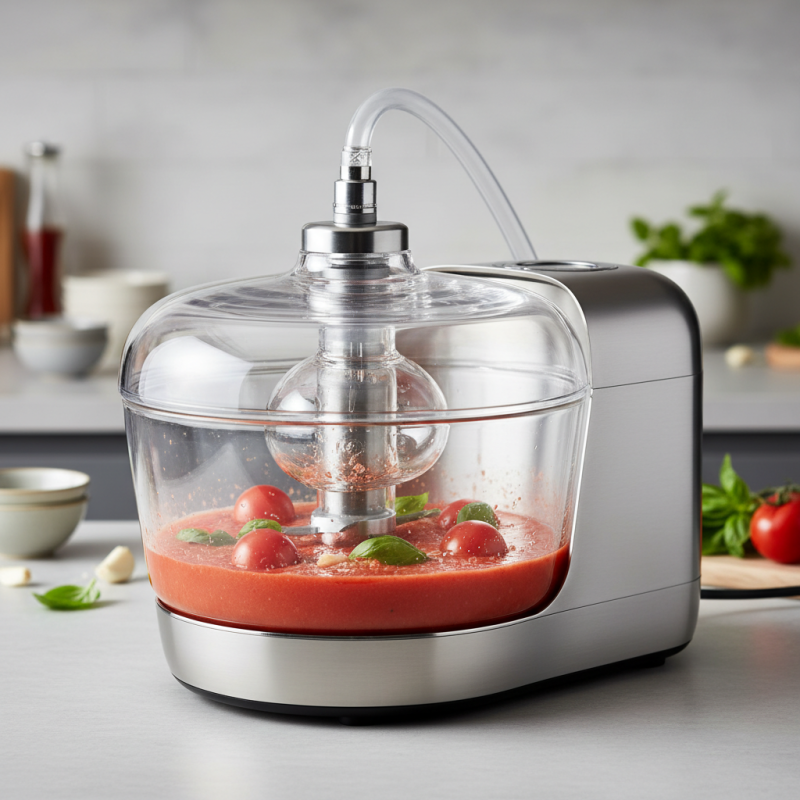
What is a Vacuum Bowl Cutter and How Does It Work?
The vacuum bowl cutter is an innovative kitchen tool. It blends, chops, and mixes food efficiently. This device uses a strong vacuum to create a unique environment for food processing. It prevents oxidation and maintains freshness, making it ideal for delicate ingredients.
When using a vacuum bowl cutter, users often wonder how it works. The vacuum feature draws air out, reducing the space for contamination. This process keeps flavors intact while allowing for even mixing. Be aware, though, that some users may find it difficult to master. It requires practice to achieve the desired consistency.
The benefits of a vacuum bowl cutter are clear. It can enhance the quality of sauces, purees, and other mixtures. However, improper use may lead to issues like uneven texture. It is crucial to understand the machine's functions fully. This makes the vacuum bowl cutter an interesting yet challenging tool for both home cooks and professionals.
What is a Vacuum Bowl Cutter?
A vacuum bowl cutter is a versatile tool in food preparation, especially in the meat and culinary industry. It combines the functions of cutting and mixing ingredients in a controlled environment, crucial for creating high-quality products. This machine operates by using vacuum technology to remove air from the bowl during the cutting process. Without air, oxidation is minimized, preserving the color and flavor of the ingredients. The process is efficient, as it reduces cooking time and enhances consistency. Reports indicate that vacuum bowl cutters can enhance product quality by up to 30%.
Tips: Regular maintenance is essential for optimal performance. Check for wear and tear on the blades often. Ensure proper cleaning to avoid contamination and preserve the flavor of the next batch.
Using a vacuum bowl cutter may present challenges. Operators must learn to adjust settings based on different ingredients. Over-processing can lead to a mushy texture, and under-processing may result in uneven product quality. Understanding the balance is key. Industry surveys show that improper usage can decrease product quality by 15%. These insights are valuable for those looking to maximize their culinary efficiency and product standards.
Key Components of a Vacuum Bowl Cutter
A vacuum bowl cutter is an essential machine in the food processing industry. It primarily consists of three key components. The first is the bowl, which holds the ingredients securely during processing. The vacuum function reduces air exposure, preserving the quality of the food. Reports indicate that vacuum processing can enhance product freshness by up to 30%.
The second component, the cutter blade, plays a critical role. It is designed for precise, efficient chopping of various ingredients. This precision helps maintain consistent texture. According to industry studies, uniformity in food preparation can lead to a 15% reduction in customer complaints about food quality. It’s important to select the right blade for optimal results. However, not all teams are trained effectively, leading to inconsistencies.
Lastly, the control panel allows operators to adjust settings and monitor the process. Intuitive controls can improve efficiency, but poor user training may hinder performance. Many users struggle with advanced settings, which can lead to mistakes and waste. Balancing optimal settings with operator skill is crucial. By understanding these components, users can maximize the benefits of vacuum bowl cutters while minimizing errors.
How a Vacuum Bowl Cutter Operates
A vacuum bowl cutter is an essential tool in food processing. It combines cutting and mixing functions. This device relies on a vacuum to create an ideal environment. By reducing air pressure, it minimizes oxidation during the processing of ingredients. This leads to fresher flavors and better texture in food products.
When the cutter operates, the ingredients are placed in a bowl. The vacuum is activated, which removes air. Once the vacuum is engaged, the blades begin to spin rapidly. This action ensures that all ingredients are evenly mixed and finely chopped. According to industry reports, around 25% of food spoilage can be attributed to oxidation. A vacuum bowl cutter addresses this issue effectively.
The process also has its complexities. For instance, if the vacuum isn’t set properly, it may lead to inconsistent results. Some particles may remain uncut, affecting the final product's quality. Additionally, cleaning these machines poses challenges. Operators must ensure that the machine is sanitized to prevent cross-contamination. This aspect often requires careful planning and execution in busy kitchens. Effectiveness and efficiency must always be balanced.
Applications of Vacuum Bowl Cutters in Food Processing
Vacuum bowl cutters play a vital role in food processing. These machines mix and cut food products efficiently. They incorporate a vacuum environment to reduce oxidation. This method preserves flavors and enhances color. One common application is in meat processing. The vacuum helps to unify the texture and improve the binding of ingredients.
Bakery products also benefit from vacuum bowl cutters. They produce dough with a consistent texture. The vacuum conditions ensure even mixing. This results in higher quality bread and pastries. Vegetables can be finely diced while retaining moisture. This technique is crucial in creating fresh salads and pre-packaged meals.
Tip: Always monitor the temperature when using vacuum bowl cutters. Extreme heat can affect the quality of your products.
Mistakes can happen with vacuum bowl cutters. Sometimes, ingredients may not blend correctly. This might lead to an inconsistent product. It's important to adjust the settings based on your specific food items.
Tip: Regular maintenance of the machine is key. This prevents mishaps and ensures optimal performance. Pay attention to cleaning procedures. Neglecting this can result in cross-contamination.
Benefits of Using a Vacuum Bowl Cutter in Food Production
A vacuum bowl cutter is an essential tool in food production. It creates a controlled environment where air is removed. This process enhances ingredient blending, leading to uniform texture and flavor in products. According to industry reports, using vacuum technology can reduce oxidation, preserving nutrients and freshness.
The benefits of a vacuum bowl cutter are significant. It minimizes the risk of contamination during processing. With reduced air exposure, microbial growth slows down. The improved mixing efficiency also allows for less water usage, saving resources. A survey indicated that food manufacturers saw a 15% increase in product quality with vacuum processing.
However, it's not without challenges. Maintenance of vacuum systems requires attention. Equipment can be costly for small businesses. Many operators might overlook regular checks, leading to inefficiencies. There’s a learning curve for staff to master vacuum operation. This tech offers advantages, yet it demands careful consideration.