What is a Sliding Roller and How Does it Work?
A sliding roller is an essential component in various mechanical systems. It facilitates motion and aids in load distribution. Understanding how a sliding roller operates can enhance efficiency in different applications.
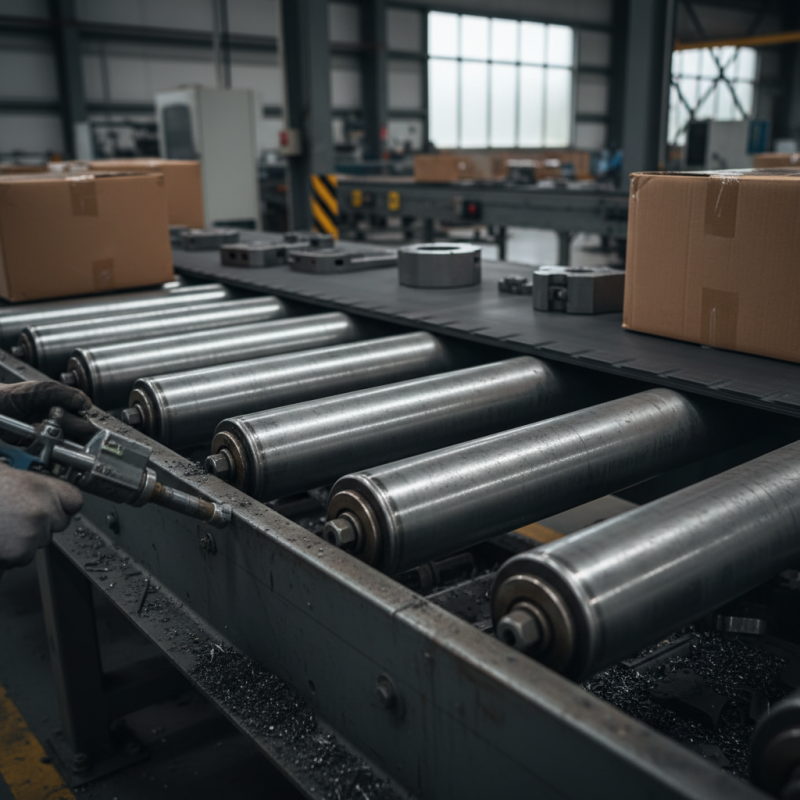
In simple terms, a sliding roller reduces friction. By allowing smooth movement, it helps machinery function more effectively. Think of a conveyor belt. The sliding roller ensures that items move seamlessly along the belt. This simple mechanism can solve complex problems in manufacturing.
However, there are challenges. Over time, sliding rollers can wear down. Dirt and debris may accumulate, affecting performance. Regular maintenance is crucial to keep everything running smoothly. Neglecting this can lead to inefficiencies. This highlights the need for careful inspection and upkeep in any system using a sliding roller. Recognizing these issues can improve overall productivity and safety.
Definition of a Sliding Roller and Its Common Applications
A sliding roller is a mechanical device designed to facilitate movement by reducing friction. It consists of a cylindrical body that moves smoothly along a surface. This design allows for easy transportation of heavy items with minimal effort. In many cases, sliding rollers are used in industrial settings. They are essential for conveyor systems and machinery where heavy loads are common.
Common applications of sliding rollers include warehouses and assembly lines. They support heavy crates and equipment, allowing for easier maneuvering. In furniture design, sliding rollers can enhance mobility as well. Furniture pieces can glide effortlessly on floors, making rearrangement simple. However, not all sliding roller designs work perfectly on every surface. Some may fail to provide adequate support or stability, leading to safety concerns.
Regular maintenance is vital for sliding rollers. Dust and debris can impair their function. Over time, wear can also diminish their efficiency. Users must be aware of these factors to ensure smooth operation. Addressing these issues can help enhance the performance of sliding rollers. This attention to detail can prevent accidents and improve overall effectiveness.
Mechanism of Action: How Sliding Rollers Operate
Sliding rollers are crucial components in various machinery, facilitating smooth movement and reduced friction. Their operation revolves around a simple yet effective mechanism. A sliding roller typically comprises a cylindrical body that moves along a defined path. This movement allows for load distribution and enhances stability. Reports indicate that industries adopting sliding rollers can see a 20% increase in efficiency due to reduced wear and tear on equipment.
Maintaining sliding rollers is essential for optimal performance. Regular inspection can help identify wear early. Most experts recommend checking for debris that may hinder their movement. A clean roller operates more smoothly. Keeping the surrounding environment dust-free can enhance longevity.
One should consider the load capacity of sliding rollers. Not all rollers can handle heavy weights equally. Underestimating this can lead to malfunction or accidents. It's vital to match the roller type to the specific application. Some operations may require specialized rollers for better performance. A thorough understanding of requirements is necessary for choosing the right sliding roller.
Materials Used in Sliding Roller Construction
Sliding rollers are essential components in various machinery and devices. Their primary function is to facilitate smooth movement along a surface. To achieve this, the choice of materials in their construction is crucial.
Typically, sliding rollers are made from metals like steel or aluminum for strength and durability. Steel offers excellent load-bearing properties. However, it can corrode over time in certain environments. This raises questions about long-term performance. On the other hand, aluminum is lighter and more resistant to corrosion but may not support heavy loads as effectively.
In addition to metals, some rollers use plastics or composites. These materials can reduce friction and wear. Though they may not endure heavy stress, specialized formulations can provide significant benefits in specific settings. Each material has trade-offs, and choosing the right one often requires careful consideration of the application. There's always a possibility of overlooking how different environments will affect material performance over time.
Advantages of Using Sliding Rollers in Various Industries
Sliding rollers are widely used in various industries due to their efficiency and simplicity. Their design allows for smooth movement of heavy loads. In manufacturing, sliding rollers can reduce friction during production processes. They can help equipment and products move seamlessly. This minimizes wear and tear on machinery, extending their lifespan.
In logistics, sliding rollers are crucial for transporting goods. They enable easy loading and unloading of products. Workers can move items quickly and safely. This boosts productivity and prevents injuries. However, not all sliding rollers are suitable for every application. Choosing the wrong type can create issues.
The versatility of sliding rollers is impressive. They are used in construction, packaging, and more. Different designs cater to specific needs, from heavy machinery to delicate items. While sliding rollers offer many advantages, one must consider potential drawbacks. Improper maintenance can lead to malfunction. Regular checks can help maintain their effectiveness.
Maintenance and Troubleshooting for Sliding Rollers
Maintaining sliding rollers is crucial for their performance and longevity. Regular inspection is necessary to catch potential issues early. Look for signs of wear on the roller surfaces and track. Dust and debris can accumulate, causing friction. Cleaning these components can often resolve minor performance problems.
When troubleshooting, listen for unusual noises. Squeaking or grinding may indicate a lack of lubrication. Applying the right lubricant can often restore smooth operation. However, over-lubrication can attract more dirt. It’s a delicate balance that requires attention.
Check the alignment of the rollers regularly. Misalignment can lead to uneven wear and reduce efficiency. If the rollers aren't leveled, it may cause binding. Addressing this promptly is essential to avoid damaging the system. It’s best to document any issues and repairs to track patterns over time. This practice can lead to better insights into the maintenance needs of your sliding rollers.
What is a Sliding Roller and How Does it Work? - Maintenance and Troubleshooting for Sliding Rollers
| Feature | Description | Common Issues | Maintenance Tips |
| Material | Made from plastic, metal or nylon. | Wear and tear, material degradation. | Inspect regularly for damage. |
| Load Capacity | Rated by manufacturer based on design. | Overloading may cause failure. | Adhere to weight limits specified. |
| Operating Environment | Can be used indoors or outdoors. | Exposure to extreme weather can damage. | Use protective covers when not in use. |
| Lubrication | Essential for smooth operation. | Lack of lubrication leads to friction. | Apply lubrication as per manufacturer guidelines. |
| Adjustability | Some models allow for height adjustments. | Misalignment can occur if not adjusted correctly. | Regularly check and adjust levelness. |