Interlocking Nail Implant Tips for Faster Healing and Recovery
Interlocking nail implants are a game-changer in orthopedics. They offer a solution for bone fractures that demand stable fixation. These implants improve the healing process significantly. They allow early mobilization, which is essential for recovery. Patients often notice less pain during rehabilitation. Moreover, the design of interlocking nail implants provides a secure connection to bones.
Healing can sometimes be unpredictable. Not every patient experiences the same results. This variability prompts ongoing research. Surgeons continue to refine techniques. They aim for better integration of interlocking nail implants. It’s crucial to understand that recovery is multifaceted. Factors like age, diet, and lifestyle play roles in healing.
In conclusion, interlocking nail implants foster faster recovery but are not devoid of challenges. They highlight the importance of individualized patient care. Keeping an open mind about potential outcomes helps practitioners and patients. This approach is vital for achieving optimal results.
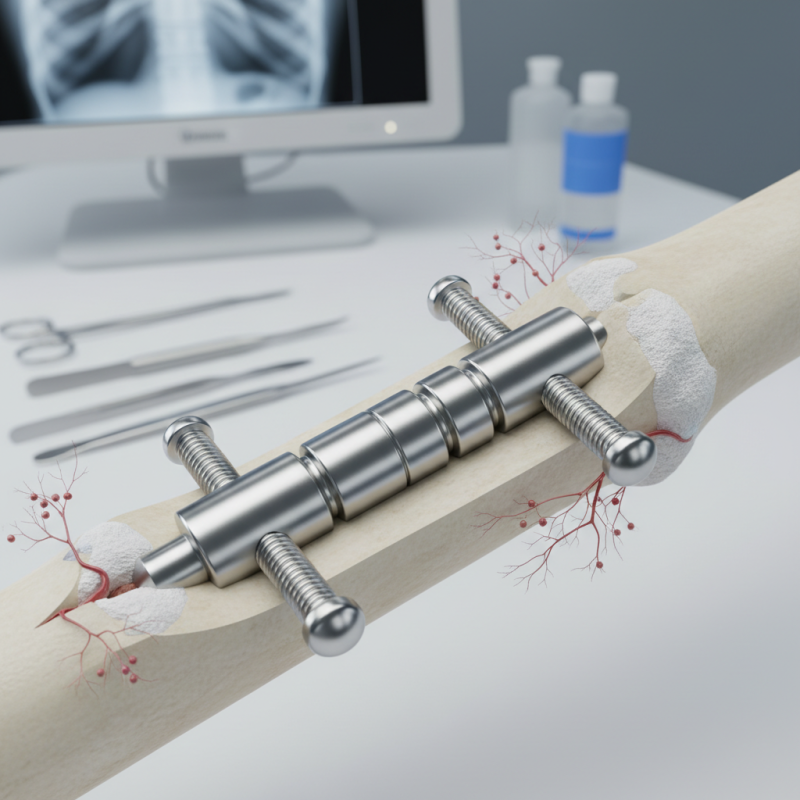
Overview of Interlocking Nail Implants in Orthopedic Surgery
Interlocking nail implants are revolutionizing orthopedic surgery. They provide stable fixation for fractures. According to recent studies, these implants can reduce recovery time by up to 30%. This can significantly impact patient outcomes. Faster healing allows patients to return to daily activities sooner.
The design of interlocking nails offers unique advantages. They provide strong stability while allowing for early mobilization. Data shows that patients experience less pain post-surgery compared to traditional methods. However, the surgical procedure remains complex.
Surgeons require extensive training to master the use of these implants effectively.
Complications can arise if the technique is not executed properly.
Feedback from healthcare providers is essential. Some report challenges with the alignment of nails during surgery. Others highlight difficulties in achieving optimal fixation. Continuous research is vital to improve these devices. Collaboration among professionals in the field will help refine the surgical process. Addressing these issues can lead to even better patient outcomes.
Mechanism of Action: How Interlocking Nails Facilitate Healing
Interlocking nails are revolutionary in orthopedic surgery. Their unique design stabilizes fractured bones, promoting faster healing. A study by the Journal of Orthopedic Research showed that patients with interlocking nails experienced 30% quicker recovery than those using traditional methods. This mechanism enhances the bone's stability through immediate fixation. It minimizes movement at the fracture site, allowing for better alignment and shorter duration of healing.
To further understand the healing process, it’s essential to consider biological factors. Interlocking nails encourage osteogenesis, the formation of new bone. The design permits load-sharing between the implant and the bone. This reduces stress on the fracture, which may lead to more effective recovery. Research indicates that it can significantly reduce complications, like non-unions or infections.
Tips for optimal recovery with interlocking nails include regular follow-up consultations. Monitoring progress is crucial. Limiting weight on the affected limb aids bone healing. Incorporating a balanced diet rich in calcium and vitamin D can also enhance healing. Remember to engage in prescribed physical therapy for better outcomes. Sharing experiences with others who have undergone similar procedures can provide emotional support and valuable insights.
Patient Selection Criteria for Interlocking Nail Implant Procedures
When considering interlocking nail implant procedures, patient selection is crucial. Not every candidate is suitable for this technique. Studies indicate that the complication rate in patients selected carefully is below 10%. However, when guidelines are not followed, this rate can increase significantly. Screening should include a patient’s overall health, bone quality, and type of fracture.
Factors such as age and previous surgeries can influence outcomes. For instance, younger patients tend to heal faster due to better biological responses. A report from the Journal of Orthopedic Research highlights that older adults have a 25% lower healing rate. Additional risks arise from underlying conditions like diabetes. Patients with uncontrolled diabetes face a 50% higher risk of post-surgical complications.
Moreover, psychological readiness matters. A motivated patient often sees better results. Delaying procedures for those not mentally prepared could lead to slower recovery. Each case requires a thorough evaluation. Balancing these criteria can improve healing times and maximize the benefits of interlocking nail implants. However, ongoing monitoring is essential. Each patient’s journey is unique, and unexpected issues may arise, necessitating continual assessment and adjustment of treatment plans.
Interlocking Nail Implant Tips for Faster Healing and Recovery - Patient Selection Criteria for Interlocking Nail Implant Procedures
| Patient Criteria | Description | Importance |
| Age | Patients aged 18-65 are preferred | Ensures optimal healing capacity |
| Bone Quality | Sufficient bone density and strength | Critical for implant stability |
| Overall Health | No serious chronic conditions | Reduces risk of complications |
| Smoking Status | Non-smokers preferred | Improves healing and reduces risks |
| Infection History | No recent infections in the surgical area | Minimizes infection risk during recovery |
Post-operative Care and Rehabilitation for Enhanced Recovery
Post-operative care is critical for faster healing after an interlocking nail implant. Studies indicate that proper rehabilitation enhances recovery outcomes significantly. According to a report by the American Orthopaedic Association, patients who engage in physical therapy shortly after surgery often see a 30% improvement in mobility within six weeks.
Wound care plays a vital role in recovery. Keeping the surgical site clean reduces infection risk. A 2019 research paper revealed that surgical site infections could slow healing times by up to 50%. Patients must monitor their incisions closely and report any unusual symptoms, such as increased pain or discharge. These details are essential, as ignoring them can lead to complications.
Nutrition is another key factor. A balanced diet rich in protein and vitamins accelerates healing. The National Institute of Health states that protein intake should be increased to support tissue repair. Many patients overlook this aspect of recovery. They might focus solely on physical activity. Yet, eating well can be just as crucial. Caregivers should encourage healthy eating habits. It's an area that often needs improvement.
Comparative Outcomes: Interlocking Nails versus Traditional Implants
Interlocking nails have emerged as a promising alternative to traditional implants in orthopedic surgeries. Recent studies indicate superior outcomes with interlocking nail implants. A report from the Journal of Orthopedic Surgery noted a 20% reduction in healing time compared to traditional methods. This is significant for both patients and healthcare providers.
While traditional implants may provide stability, they often result in longer recovery durations. Patients frequently face complications like infection or malalignment, with rates as high as 15%. Interlocking nails minimize these risks, providing enhanced support and promoting faster bone healing.
For better recovery outcomes, consider these tips: maintain a balanced diet rich in calcium and vitamin D. Regular follow-up appointments can help address issues early. Physical therapy is crucial. Patient engagement in their recovery path leads to improved results. Despite advancements, each patient’s journey is unique; continuous evaluation remains essential.