How to Treat Infection and Pain Safely?
Infection And Pain can appear together, but they do not always share the same cause. A swollen cut may feel hot, tender, and increasingly painful. A viral illness may cause aches without requiring antibiotics. Safe treatment begins with identifying the infection, measuring its severity, and understanding the person’s medical history.
Dr. Tedros Adhanom Ghebreyesus, Director-General of the World Health Organization, warned, “Antimicrobial resistance is one of the biggest threats to our health, food security and development today.” His statement supports a crucial principle: antibiotics should treat confirmed or strongly suspected bacterial infections, not ordinary colds or influenza. Healthcare professionals may examine the wound, check temperature, review symptoms, or request testing before choosing medicine. This reduces unnecessary treatment and helps protect future effectiveness.
Pain relief also requires care. A clinician or pharmacist can help select an appropriate option, such as acetaminophen or an anti-inflammatory medicine, when suitable. Kidney disease, liver disease, ulcers, pregnancy, allergies, and other medicines can change what is safe. Never combine products without checking their active ingredients. Small details matter.
Seek prompt medical attention for spreading redness, pus, severe swelling, breathing difficulty, confusion, persistent vomiting, or rapidly worsening pain. Do not wait for certainty.
The uncomfortable truth is that online advice cannot replace an examination. Even experienced clinicians sometimes revise an initial diagnosis when symptoms change. Record when the pain began, where it occurs, and what makes it worse. That simple record can improve communication and support safer, evidence-based care.

Recognize Infection and Pain: CDC Sepsis Warning Signs and Urgent Red Flags
How to Treat Infection and Pain Safely?
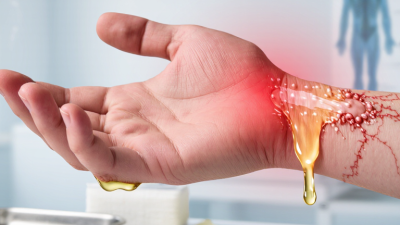
An infection may begin with redness, warmth, swelling, drainage, or increasing tenderness. A wound that smells bad or spreads redness needs medical assessment. Pain can be useful information, but severe or rapidly worsening pain should never be ignored. Do not use leftover antibiotics or share medicine. The wrong treatment can delay proper care and hide important symptoms.
Sepsis is the body’s extreme response to an infection. According to the CDC, warning signs may include confusion, fast breathing, shortness of breath, clammy skin, fever, chills, a rapid heartbeat, weak pulse, or extreme pain. Watch for sudden changes. A person who becomes difficult to wake, unusually confused, or very weak needs emergency help immediately. These symptoms can progress quickly, even when the original infection looks small.
Act promptly. Contact emergency services if sepsis warning signs appear, especially after surgery, an injury, pneumonia, or a urinary infection. While waiting, keep the person safely positioned and do not force food, drinks, or medication if they are confused or vomiting. For less urgent pain, follow the medicine label and check with a clinician if you have kidney disease, ulcers, pregnancy, or other conditions. Clean minor wounds with running water and cover them lightly. I might be tempted to wait for clearer proof, but that hesitation can be dangerous. Pain relief should never replace evaluation when symptoms are escalating.
How to Treat Infection and Pain Safely?
Recognize Infection and Pain: CDC Sepsis Warning Signs and Urgent Red Flags
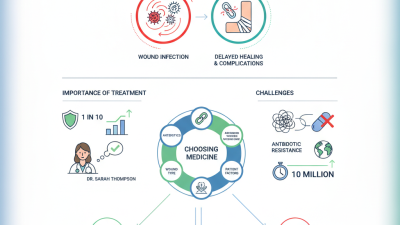
The CDC identifies these symptoms as warning signs of sepsis: high heart rate or weak pulse, fever, shivering or feeling very cold, confusion or disorientation, shortness of breath, clammy or sweaty skin, and extreme pain or discomfort. This chart is a recognition guide, not a diagnostic score. Sepsis is a medical emergency—seek urgent medical care when infection is suspected with these symptoms.
Confirm the Cause: Clinical Assessment, Cultures, and Diagnostic Testing
Safe treatment begins with identifying the cause of pain or suspected infection. A red, swollen area may reflect bacteria, injury, inflammation, or an embedded object. These problems can look similar. A clinician checks temperature, heart rate, skin changes, tenderness, drainage, and movement. The history matters too. Recent procedures, wounds, travel, medicines, allergies, and immune conditions can change decisions. Don’t guess.
Before treatment, a clinician may collect a swab, urine sample, blood culture, or other specimen. The sample should come from the affected site and be handled correctly. Cultures can identify organisms and show which medicines are likely to work. They do not always give an immediate answer. Prior medication may reduce accuracy. No test is perfect. If symptoms are severe, treatment may begin before results return. This balance requires judgment, not routine prescribing.
Diagnostic testing may include imaging, blood counts, or tests for inflammation. Imaging can reveal an abscess, deep infection, fracture, or retained material. A normal result does not always end the investigation. Pain relief also needs context. A clinician considers kidney function, stomach risks, pregnancy, age, and current medicines. In practice, convenience can hide uncertainty. Treating every sore throat as bacterial may cause unnecessary side effects. Dismissing worsening pain after a negative early test can delay care. Follow-up matters. New fever, spreading redness, confusion, severe weakness, or breathing difficulty needs prompt medical attention.
Choose Antibiotics Wisely: WHO AWaRe Guidance and Resistance Prevention
Pain and infection are not the same problem. Pain can follow a viral illness, injury, or bacterial disease. Antibiotics treat bacteria, not viruses or ordinary inflammation. A fever alone does not prove bacterial infection. Careful assessment matters before any prescription.
The World Health Organization’s AWaRe guidance supports responsible antibiotic choices. “Access” medicines are preferred for many common infections because they generally carry lower resistance risks. “Watch” medicines require greater caution and clear clinical reasons. “Reserve” medicines should remain available for serious infections involving resistant bacteria. This framework is not a shopping list. A clinician should consider symptoms, examination findings, local resistance data, allergies, pregnancy, and kidney function. When suitable, laboratory testing can reduce guesswork.
Patients can help protect antibiotic effectiveness. Take the prescribed medicine exactly as directed, and do not share it. Do not save leftovers for a future illness. Ask whether antibiotics are truly needed. For pain, discuss safer options with a healthcare professional, especially with stomach, liver, kidney, or bleeding problems. No framework removes uncertainty. Tests may be unavailable, and symptoms can change quickly. Seek prompt medical care for breathing difficulty, confusion, severe dehydration, spreading redness, or worsening pain.
Manage Pain Safely: FDA’s 4,000-mg Daily Acetaminophen Limit
How to Treat Infection and Pain Safely?
Acetaminophen can reduce fever and mild to moderate pain, but it does not treat the infection itself. For adults and children aged 12 years or older, the FDA’s maximum daily amount is 4,000 milligrams from all medicines combined. Check every label carefully. Some cold, flu, and prescription products may already contain acetaminophen. Accidentally doubling doses is easy.
Safer use starts with accurate measuring and reasonable expectations. Follow the package directions or advice from a qualified healthcare professional. People with liver disease, regular alcohol use, poor nutrition, or several medicines may need a lower limit. Children need weight-based dosing and the correct measuring device. Seek medical care for breathing trouble, confusion, severe dehydration, worsening pain, or a fever that does not improve. Pain relief can hide symptoms, which deserves attention.
Tips: Write down each dose and time. Use a phone reminder. Never combine products without checking their active ingredients. If you are unsure, ask a pharmacist before taking another dose. I sometimes assume “over-the-counter” means harmless, but that assumption is unsafe. More medicine does not mean faster recovery.
Monitor Recovery: Reassess Within 48–72 Hours and Escalate When Needed
How to Treat Infection and Pain Safely?
Monitor Recovery: Reassess Within 48–72 Hours and Escalate When Needed
Treating an infection and pain safely requires more than choosing a medicine. The key checkpoint is 48 to 72 hours after treatment begins. By then, pain, swelling, redness, fever, and daily function should show a clear direction. Improvement can be gradual, but worsening symptoms deserve attention. Small changes matter.
Record your temperature, pain level, drainage, and ability to eat, drink, sleep, or move. Take prescribed medicines exactly as directed. Do not share antibiotics or use leftovers. For pain relief, follow the package dose and check for overlapping ingredients. A pharmacist or clinician can review allergies, pregnancy, kidney disease, ulcers, and other risks. A common mistake is assuming stronger relief is always safer.
Contact a healthcare professional if symptoms fail to improve within 48–72 hours. Escalate sooner for spreading redness, severe pain, confusion, breathing trouble, persistent vomiting, or inability to keep fluids down. Seek urgent help for swelling near the eye, mouth, or neck. Faintness or clammy skin can signal a serious emergency. Do not wait for the planned review. The cause may require testing, drainage, or a different treatment plan. Recovery is not always linear.