
How to Choose Yeast Infection Treatments in 2026?
Choosing Yeast Infection Treatments in 2026 requires more than comparing creams, tablets, and advertised “natural” solutions. Symptoms may include itching, burning, redness, swelling, or thick discharge. Symptoms can overlap. Bacterial vaginosis, sexually transmitted infections, dermatitis, and urinary conditions may look similar. That distinction matters.
The Centers for Disease Control and Prevention’s Sexually Transmitted Infections Treatment Guidelines state that about 75% of women experience vulvovaginal candidiasis at least once, while 40–45% experience it twice or more. The guideline also separates uncomplicated cases from recurrent, severe, non-albicans, and pregnancy-related infections. Each category may require a different clinical approach. The World Health Organization’s 2022 fungal disease report further highlights the growing importance of accurate fungal diagnosis and responsible antifungal use. These reports support a practical principle: treatment should match the diagnosis, not the packaging.
A reliable choice considers active ingredients, symptom duration, previous treatment response, pregnancy status, drug interactions, and recurrence. A pharmacist or clinician can help when symptoms return quickly, persist after treatment, or appear for the first time. Some over-the-counter products may ease familiar symptoms, but they cannot confirm the cause. No guide replaces examination when warning signs appear. That limitation matters. The market can look simpler than it is. This article compares common Yeast Infection Treatments, explains evidence-based differences, and identifies situations requiring professional care. It also questions convenient claims, because “natural” does not automatically mean effective, gentle, or risk-free.
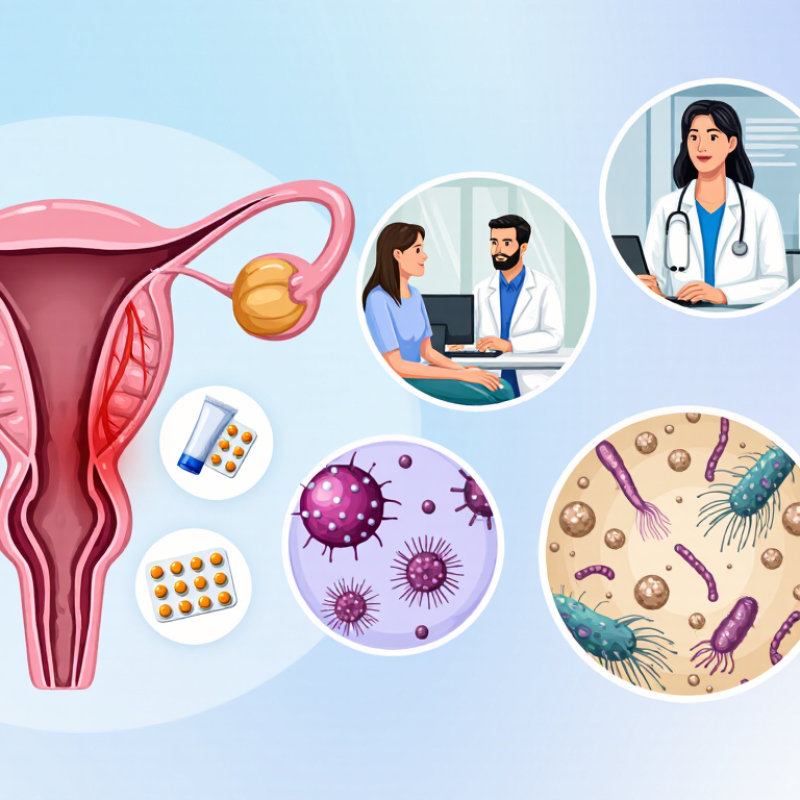
Understanding Yeast Infection Symptoms and Causes in 2026
How to Choose Yeast Infection Treatments in 2026?
Understanding symptoms and causes is more important than choosing a treatment quickly. A typical vaginal yeast infection may cause intense itching, burning, redness, and thick white discharge. The discharge often has little odor. Some people also feel stinging during urination or sexual activity.
Symptoms can overlap with bacterial vaginosis, sexually transmitted infections, eczema, or chemical irritation. That matters. One assumption deserves questioning: itching does not always mean yeast. A clinician may examine the skin and test a sample, especially when symptoms are unusual, severe, or recurring. Fever, pelvic pain, sores, or a strong unpleasant odor require prompt medical care.
Candida can multiply after antibiotic use, hormonal changes, poorly controlled diabetes, or immune system problems. Tight, damp clothing and fragranced washes may worsen irritation, but they are not always the root cause.
Treatment choices should consider pregnancy, age, previous episodes, other medicines, and whether the infection has returned several times. During pregnancy, professional guidance is especially important.
Do not keep repeating the same treatment without checking the diagnosis. It may delay proper care. Follow the recommended dose and duration, even when discomfort improves early. Persistent symptoms need reassessment, not guesswork.
Choosing Between Over-the-Counter and Prescription Treatments
Choosing between over-the-counter and prescription yeast infection treatments in 2026 starts with diagnostic confidence. Itching and thick discharge can resemble bacterial vaginosis, dermatitis, or sexually transmitted infections. The CDC STI Treatment Guidelines report that about 75% of women experience vulvovaginal candidiasis. Around 40–45% experience it more than once. Self-treatment is tempting. Misdiagnosis remains possible.
An over-the-counter vaginal azole may suit a nonpregnant adult with a previously confirmed, identical infection. Use the full package duration, even if itching improves quickly. During pregnancy, the CDC recommends seven days of topical azole therapy under medical guidance. Prescription treatment is more appropriate for severe symptoms, repeated episodes, treatment failure, or uncertain diagnoses. Recurrent infection means at least three episodes within one year.
A GAFFI-linked burden analysis estimates that recurrent vulvovaginal candidiasis affects 138 million women annually. The figure could reach 158 million by 2030. These data support clinical review instead of repeated guesswork. A clinician may use microscopy or culture to identify less common Candida species. A positive culture does not always explain every symptom. The imperfect truth: symptom matching can be wrong. Seek care for fever, pelvic pain, sores, worsening pain, or no improvement. Oral treatment also requires review of pregnancy status, liver disease, and drug interactions.
Matching Treatment Options to Infection Type and Personal Needs
Choosing a yeast infection treatment starts with identifying the infection type, not the strongest-looking product. Vaginal thrush often causes intense itching, redness, and thick, usually odorless discharge. Oral thrush may create creamy patches and soreness in the mouth. Skin infections often appear in warm, moist folds. Different sites need different formulations and treatment lengths. A neat symptom checklist can mislead. Bacterial vaginosis, dermatitis, and some sexually transmitted infections can feel similar. A clinician or pharmacist should assess uncertain, severe, or first-time symptoms.
Personal needs matter as much as symptoms. A local vaginal treatment may suit someone avoiding oral medicine. Oral treatment can be more convenient for others. Pregnancy changes the choice, so medical guidance is essential. Some oral options may not be appropriate during pregnancy.
Check allergies, liver disease, current medicines, and possible interactions. Follow the recommended course, even when itching improves early. Relief can arrive before the infection clears. Not always.
Recurrent infections deserve testing rather than repeated guessing. Three or more episodes in a year may require evaluation for diabetes, resistant organisms, or another diagnosis. Seek prompt care for fever, pelvic pain, sores, foul odor, bleeding, or persistent symptoms. Avoid unverified household substances. They can irritate tissue and hide useful clinical signs. Keep affected areas gently dry, choose breathable underwear, and avoid scented washes. Treatment should reflect the diagnosis, pregnancy status, comfort, access, and safety.
Using Yeast Infection Medicines Safely and Effectively
How to Choose Yeast Infection Treatments in 2026?
Using Yeast Infection Medicines Safely and Effectively
Choosing a yeast infection treatment begins with confirming the cause. Itching and discharge can also result from bacterial infections, irritation, or sexually transmitted infections. An antifungal medicine may not help those conditions. A pharmacist or clinician can assess symptoms, medical history, and possible interactions. Diagnosis matters.
Treatment options may include vaginal medicines or oral antifungal medicine. Follow the package directions carefully, including the full treatment length. Do not use leftover medicine or share treatment with someone else. Oral medicines may be unsuitable during pregnancy or with certain liver conditions. Ask a qualified healthcare professional before using them. A small detail can change the safest choice.
Tips: Check the active ingredient and expiration date. Wash hands before and after application. Avoid scented washes, douches, and tight, damp clothing. Keep the area dry, but avoid harsh scrubbing. Improvement often takes several days. If symptoms worsen, return quickly, or include fever, pelvic pain, sores, bleeding, or a strong odor, seek medical care. Repeated infections deserve evaluation, even when symptoms seem familiar. Self-treatment feels convenient, but I have learned that familiarity can create false confidence. Reliable care sometimes starts with admitting uncertainty.
Knowing When to Seek Medical Care or Further Testing
Choosing a yeast infection treatment in 2026 starts with knowing when self-care is not enough. Itching, burning, and thick discharge can resemble bacterial infections, sexually transmitted infections, skin conditions, or irritation. Symptoms alone cannot confirm the cause. A clinician may examine the area and collect a swab for microscopy, culture, or molecular testing.
Seek medical care for your first suspected infection, especially if symptoms feel unusual or severe. Contact a healthcare professional if symptoms continue after treatment, return within a few weeks, or occur four or more times yearly. Pregnancy, diabetes, recent antibiotics, or a weakened immune system also warrant professional guidance. These situations may require a longer treatment plan or testing for less common yeast species.
Do not ignore warning signs. Fever, lower abdominal pain, vomiting, sores, foul-smelling discharge, or significant swelling need prompt evaluation. Urgent care may be appropriate when pain is severe or pregnancy is possible. A common mistake is treating every episode as yeast. I have seen how that assumption delays the right diagnosis. Even a familiar symptom deserves reconsideration when its pattern changes. Keep a brief record of symptoms, treatments, menstrual timing, and possible irritants before your appointment.
How to Choose Yeast Infection Treatments in 2026? - Knowing When to Seek Medical Care or Further Testing
| Situation or symptom pattern | Most appropriate next step | Common treatment approach | When testing or medical care is recommended | Important precautions |
|---|---|---|---|---|
| Typical, mild symptoms Itching, soreness, redness, and thick white discharge without a strong odor. |
If a previous clinician-confirmed yeast infection had the same symptoms, an appropriate nonprescription vaginal antifungal may be considered. | Vaginal azole therapy is commonly used for 1–7 days, depending on the product and formulation. Follow the package directions exactly. | Arrange medical advice if this is the first suspected infection, the diagnosis is uncertain, or symptoms do not improve after treatment. | Symptoms can overlap with bacterial vaginosis, sexually transmitted infections, dermatitis, and other conditions. Avoid self-treating repeatedly without confirmation. |
| First suspected yeast infection No previous diagnosis or symptoms are different from usual. |
Seek evaluation from a qualified healthcare professional before choosing treatment. | Treatment should be selected after assessing the symptoms. A vaginal swab or microscopy may be used when the diagnosis is unclear. | Testing is particularly useful when discharge has an unusual odor or color, pain is prominent, or there is concern about another infection. | Do not assume every episode of vaginal itching is candidiasis. Unnecessary antifungal use can delay correct diagnosis. |
| Symptoms during pregnancy New itching, irritation, or abnormal discharge while pregnant. |
Contact an obstetric or primary-care professional for confirmation and treatment guidance. | During pregnancy, topical vaginal azole treatment for 7 days is generally preferred when candidiasis is confirmed. | Clinical assessment is recommended because pregnancy can change symptoms and because other causes of discharge may require different care. | Do not use oral fluconazole or boric acid products during pregnancy unless specifically directed by the treating clinician. Do not insert applicators if advised to avoid them. |
| Moderate-to-severe infection Extensive redness, swelling, fissures, excoriations, or severe discomfort. |
Arrange prompt medical evaluation rather than relying only on a short over-the-counter course. | A clinician may recommend a longer topical course or another prescription option after confirming the diagnosis. | Culture or other laboratory testing may be considered, especially if symptoms persist or a less-common Candida species is suspected. | Severe inflammation may be caused by conditions other than yeast. Avoid delaying care if pain or swelling is rapidly worsening. |
| Recurrent episodes At least 3 symptomatic episodes in less than 12 months. |
Seek medical evaluation to confirm each episode and identify contributing factors. | A clinician may use a longer initial treatment followed by a maintenance plan. The regimen depends on test results, medical history, and pregnancy status. | Vaginal culture or PCR-based testing is often considered for recurrent or complicated cases to identify the Candida species and guide treatment. | Possible contributors include recent antibiotics, diabetes, immune suppression, and other vaginal conditions. Do not begin long-term treatment without supervision. |
| Symptoms return soon after treatment Symptoms recur within a short period or never fully resolve. |
Stop repeating self-treatment and schedule a clinical review. | Treatment should be based on examination and testing rather than on repeated empiric courses. | Testing can distinguish persistent candidiasis from bacterial vaginosis, trichomoniasis, sexually transmitted infections, dermatitis, or resistant/non-albicans Candida. | Persistent symptoms are not proof that a stronger antifungal is needed. The underlying diagnosis may be different. |
| Diabetes, HIV, chemotherapy, steroid use, or other immune suppression | Obtain medical advice before selecting treatment. | A longer or individualized treatment course may be required, depending on severity and laboratory findings. | Testing is commonly appropriate for complicated, recurrent, or treatment-resistant symptoms. | High blood glucose and immune suppression can increase treatment failure and recurrence. Review medicines for interactions before using oral therapy. |
| Possible sexually transmitted infection New sexual partner, pelvic pain, sores, bleeding, painful urination, or yellow/green/foul-smelling discharge. |
Seek prompt clinical evaluation and avoid sex until assessed if it causes pain or if an STI is possible. | Do not rely on antifungal treatment unless candidiasis is confirmed. Treatment depends on the actual diagnosis. | STI testing and vaginal testing may be needed. Sexual partners may require evaluation depending on the diagnosis. | Seek urgent care for severe pelvic pain, fever, fainting, or possible pregnancy with pain or bleeding. |
| Possible medication interaction or allergy Taking multiple medicines, liver disease, heart-rhythm concerns, or previous reaction to antifungals. |
Ask a pharmacist or clinician to review the treatment before use. | Topical treatment may have fewer whole-body interactions than oral treatment, but it is not suitable for everyone. | Further testing may be needed if symptoms are unusual, severe, or do not respond to a safe option. | Stop treatment and seek urgent help for facial swelling, breathing difficulty, widespread rash, or other signs of a serious allergic reaction. |
| No improvement after treatment Symptoms persist after completing the recommended course. |
Contact a healthcare professional for reassessment rather than immediately repeating the same product. | A different or longer treatment may be appropriate only after confirming the cause and considering resistance or a non-albicans species. | Microscopy, culture, or molecular testing may help when the diagnosis remains uncertain or symptoms are resistant. | Avoid douching and scented vaginal products, which can irritate tissue and make symptoms harder to assess. |
Related Posts
-
How to Treat Wound Swelling Effectively?
-

Emerging Trends in Pharmaceutical Technology: The Evolution of Best Antibiotics Drugs by 2025
-
Ultimate Guide to Choosing the Right Bacterial Infection Pills for Fast Recovery
-

Discovering Top Suppliers for Pain Drugs A Comprehensive Guide and Essential Checklist
-
How to Use Antiviral Drugs Effectively?
-
Understanding the Different Types of Yeast Infections and Their Impacts