How to Choose the Right Infection Medicine for Your Needs?
Choosing the right infection medicine can be challenging. With so many options available, it’s essential to understand your needs. Infection medicine includes antibiotics, antivirals, and antifungals. Each type targets specific pathogens.
Proper diagnosis is critical. A healthcare professional can guide you based on symptoms. They assess the severity of the infection and recommend appropriate treatment. Self-medication can lead to resistance and complications. Trusting experts can save time and improve recovery outcomes.
Consider your medical history, allergies, and current medications. It’s crucial to communicate with your doctor about these factors. Making informed choices enhances the effectiveness of infection medicine. Ultimately, the goal is clear: effective treatment tailored to individual needs, leading to healthier outcomes.
Understanding Different Types of Infection Medications: An Overview
When it comes to infection medications, understanding the different types is key to choosing the right one for your needs. Antibiotics treat bacterial infections, while antivirals target viruses. Fungal infections require antifungal medications. Each category has specific uses and mechanisms of action, making it crucial to consult a healthcare professional before starting any treatment.
Tips for choosing the right medication include knowing your symptoms. Distinguishing between bacterial and viral infections can help narrow your options. Always discuss your medical history with your doctor. This ensures that chosen medications won't interact negatively with any current treatments. Awareness of allergies is essential in this decision-making process.
Avoid self-diagnosing. The internet can be a misleading source of information. Rely on guidance from medical professionals who can provide tailored advice. Take note of how your body reacts to medications. Not every treatment works for everyone. Your experience can lead to necessary adjustments in your prescribed plan. This reflection can greatly enhance your recovery journey.
Types of Infection Medications and Their Usage
This chart displays the common types of infection medications and their usage in treating various infections. The data illustrates the distribution of prescriptions among different categories of infection treatments.
Evaluating the Efficacy of Antibiotics Versus Antivirals
Infectious diseases require careful consideration of treatment options. Antibiotics and antivirals serve different purposes. Antibiotics target bacterial infections, while antivirals are used for viral infections. Data from the CDC shows that antibiotic misuse contributes to rising antibiotic resistance. This makes choosing the right medication crucial.
According to the WHO, approximately 70% of bacterial infections are now resistant to at least one antibiotic. This rising resistance poses a significant challenge. Patients need to understand the distinction between bacterial and viral infections. Only this awareness can guide appropriate treatment choices.
Evaluating the efficacy of antivirals is equally important. Studies indicate that antiviral treatments can reduce symptoms and duration of some viral infections. However, not all viral infections respond well to antivirals. For instance, influenza treatment is effective when administered within 48 hours of symptom onset. This aspect often requires timely diagnosis and action from both healthcare providers and patients. Choosing the right infection medicine means understanding the nuances of these treatments. This understanding can enhance recovery and mitigate risks associated with improper use.
Assessing Patient Needs: Severity and Type of Infection
Choosing the right infection medicine begins with assessing the severity and type of infection. An accurate diagnosis is crucial. Bacterial, viral, fungal, or parasitic infections require different treatments. Understanding the specific pathogen is essential in determining the most effective medication.
For mild infections, over-the-counter options may suffice. However, a serious infection can escalate quickly. Symptoms like high fever, excessive pain, or respiratory distress indicate the need for immediate medical attention. It's important to consult a healthcare professional when faced with these symptoms.
Tips: Always keep a record of your symptoms and any medications you've taken. This can provide valuable insights during your medical consultation. It’s worth noting that some infections may appear mild initially but can have significant repercussions if untreated. Always err on the side of caution when unsure about your condition.
How to Choose the Right Infection Medicine for Your Needs? - Assessing Patient Needs: Severity and Type of Infection
| Infection Type |
Common Symptoms |
Severity Level |
Recommended Medication |
| Bacterial Infection |
Fever, pain, swelling |
Moderate to Severe |
Antibiotics |
| Viral Infection |
Cough, fatigue, congestion |
Mild to Moderate |
Antivirals (if indicated) |
| Fungal Infection |
Itching, redness, lesions |
Mild to Moderate |
Antifungals |
| Parasitic Infection |
Abdominal pain, diarrhea |
Moderate |
Antiparasitics |
| Sepsis |
Confusion, shortness of breath |
Severe |
Broad-spectrum antibiotics |
Considering Side Effects and Drug Interactions in Therapy Choices
Choosing the right infection medicine involves careful consideration of side effects and drug interactions. Many patients overlook these aspects, risking complications during treatment.
Research indicates that nearly 90% of patients experience some form of side effect from antibiotics. Common issues include gastrointestinal disturbances, allergic reactions, and even antibiotic resistance.
Healthcare professionals emphasize evaluating a patient's medical history. A study from the Journal of Antimicrobial Chemotherapy highlighted that patients with prior drug reactions may face heightened risks with certain medications.
It’s crucial to identify any ongoing treatments that may have harmful interactions with new prescriptions. For instance, mixing anticoagulants with specific antibiotics can lead to severe bleeding, a fact often underestimated by patients.
Regular reviews for medication efficacy and safety can improve patient outcomes. A report by the National Institute of Health found that approximately 30% of prescribed medications were inappropriate due to side effect risks. Ensuring open communication with healthcare providers about existing medications can lead to safer, more effective treatment choices.
It’s important to reflect on each patient's unique circumstances to avoid unnecessary complications in therapy.
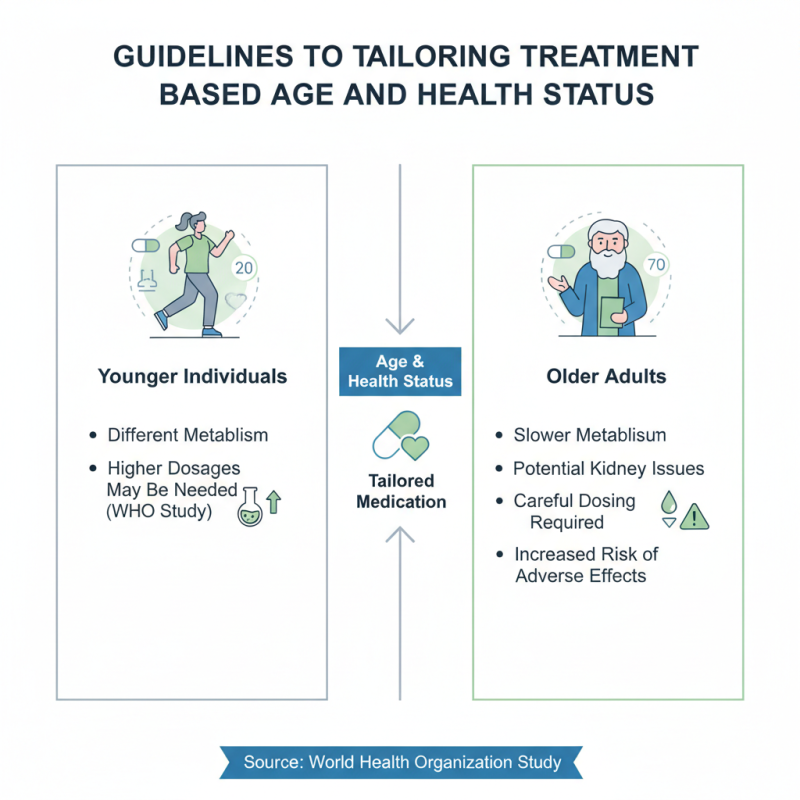
Guidelines for Tailoring Treatment Based on Age and Health Status
Choosing the right infection medicine is critical, especially when considering age and health status. According to a study by the World Health Organization, younger individuals often metabolize medications differently than older adults. This means that dosages can vary significantly. For example, older adults require careful dosing due to a slower metabolism and potential kidney issues, which can lead to increased risks of adverse effects.
Additionally, health status plays a significant role in treatment decisions. A report by the Centers for Disease Control and Prevention (CDC) highlights that patients with chronic conditions, such as diabetes or heart disease, may need specialized treatments. These individuals are often more vulnerable to infections, necessitating tailored therapy. For instance, the immune response can be compromised in those with diabetes, making it important to choose medications with fewer side effects.
Despite advancements in medical science, treatment selection can be imperfect. Research indicates that some doctors may depend on outdated protocols, not fully considering individual health nuances. Regular reevaluation of treatment efficacy is essential. Striving for personalization in medicine remains a challenge, but it’s crucial for improving patient outcomes. Tailoring treatment based on specific patient profiles is a step toward better healthcare.