How to Choose the Right Antibiotics for Wound Infection?
When faced with a wound infection, choosing appropriate treatment is crucial. The right Wound Infection Antibiotics can promote healing and prevent complications. However, selecting the ideal antibiotic entails more than just picking a name from a list. In many cases, a patient's unique health profile plays a significant role in decision-making.
Infections can differ in severity and type. Some wounds may respond well to a broad-spectrum antibiotic, while others might need a targeted approach. Factors such as the wound's location, the presence of foreign bodies, and bacteria's resistance patterns must be considered. It’s essential to reflect on past treatments as well. Sometimes, previous antibiotic use may lead to resistance, limiting options.
One might feel overwhelmed by the choices available. Inappropriate use of antibiotics can contribute to resistance, which is a growing concern in healthcare. It's vital to consult with medical professionals who can guide the selection process. By being informed and cautious, patients can work with their healthcare providers to find the best possible Wound Infection Antibiotics for their needs.

Understanding Wound Infections: Types and Causes
Wound infections can arise from various sources. Knowing the types of infections helps in treatment. Bacterial infections are common. Cuts, scrapes, or surgical wounds can become infected. Often, dirt enters these wounds, leading to complications. The most frequent culprits are Staphylococcus and Streptococcus species.
Fungal wounds are less common but can still occur. Individuals with weakened immune systems are at higher risk. In some cases, chronic wounds may harbor biofilms. These biofilms can resist typical treatments. Recognizing the specific type of infection is essential for effective antibiotics selection.
Inadequate treatment can worsen the situation. Some may rely on previous experiences instead of consulting a healthcare provider. This can lead to improper choices. Understanding the types and causes of wound infections is crucial. Proper education on wound care can prevent significant complications. Ignoring these details might result in prolonged healing or even a more serious threat.
Assessing the Severity of Wound Infections
Assessing the severity of wound infections is crucial for selecting the appropriate antibiotics. Mild infections may present swelling and redness. Wounds with increasing pain or pus indicate a more serious condition. According to a study, 30% of surgical site infections are linked to inappropriate antibiotic selection. Early assessment can prevent complications.
Healthcare professionals should use the wound classification system. This system includes clean, contaminated, and infected categories. A 2021 report indicated that 25% of hospital-acquired infections originated from surgical wounds. Emergency settings often face greater challenges in identifying infection severity. Time is of the essence.
Visual examination is vital, yet subjective. Some signs may be overlooked. The presence of systemic symptoms like fever complicates matters. A clinical guideline suggests monitoring not just the wound but the patient’s overall status. This comprehensive approach is necessary for timely and effective treatment.
How to Choose the Right Antibiotics for Wound Infection? - Assessing the Severity of Wound Infections
| Wound Severity |
Common Pathogens |
Recommended Antibiotics |
Dosage |
Treatment Duration |
| Mild |
Staphylococcus aureus |
Cephalexin |
500 mg every 6 hours |
7-10 days |
| Moderate |
Escherichia coli |
Amoxicillin/Clavulanate |
875 mg every 12 hours |
10-14 days |
| Severe |
Pseudomonas aeruginosa |
Ciprofloxacin |
400 mg every 12 hours |
14-21 days |
| Critical |
Methicillin-resistant Staphylococcus aureus (MRSA) |
Vancomycin |
15 mg/kg every 12 hours |
10-14 days or longer |
Criteria for Selecting Appropriate Antibiotics
Selecting the right antibiotics for a wound infection requires careful consideration. The first criterion is the type of bacteria involved. Studies show that about 80% of skin infections are caused by Staphylococcus aureus. Knowing the specific germs helps narrow down choices. Testing for antibiotic susceptibility is essential. This can identify effective treatments and reduce resistance over time.
Another key factor is the patient’s health. Individuals with weakened immune systems may respond differently. A report from the World Health Organization states that 10% of patients with chronic wounds experience antibiotic treatment failure. In these cases, selecting broader-spectrum antibiotics may be necessary. Patient allergies and previous antibiotic use are also critical considerations.
Lastly, wound type and location influence antibiotic choice. For example, deep tissue injuries may require different management compared to superficial cuts. While empirical therapy based on local guidelines is common, it may not always be the best. The right choice needs ongoing evaluation and adjustment based on healing progress. Attention to these factors helps ensure effective treatment but also demands ongoing reflection and responsiveness.
Common Antibiotics Used for Wound Infections
Choosing the right antibiotics for wound infections can be tricky. Various factors influence the choice, including the type of bacteria, the severity of the infection, and patient-specific factors. Understanding common antibiotics can help in making informed decisions.
Some commonly used antibiotics include penicillins, tetracyclines, and cephalosporins. These drugs target a broad range of bacteria.
Penicillins, for example, are effective against staphylococci and streptococci. Tetracyclines work well for more complex bacterial types, including those that resist other antibiotics. Cephalosporins are often prescribed for deeper infections.
Healthcare professionals must consider the wound's nature. Is it contaminated? Is there a risk of antibiotic resistance? Sometimes, the chosen antibiotic may not work as expected. This requires ongoing assessment and possible adjustments to treatment. Communication between patients and healthcare providers is crucial. Each choice has its implications, and it's essential to strike the right balance for recovery.
Monitoring Treatment and Managing Side Effects
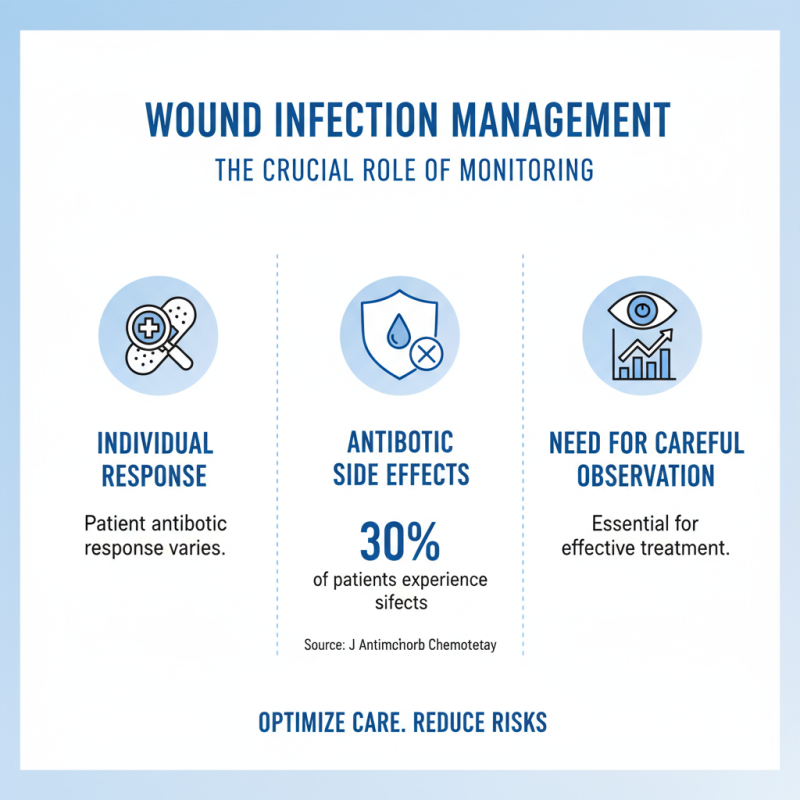
Monitoring treatment is crucial in managing wound infections effectively. Each patient's response to antibiotics can vary. A study from the Journal of Antimicrobial Chemotherapy showed that nearly 30% of patients experience side effects from antibiotics. This statistic highlights the need for careful observation.
Signs of side effects can range from mild to severe. Common issues include gastrointestinal discomfort, allergic reactions, and skin rashes. Some patients may exhibit symptoms that require immediate medical attention. For instance, if a rash spreads or breathing becomes difficult, urgent care is necessary.
Inadequate monitoring can lead to setbacks. The CDC reports that antibiotic resistance is a growing concern, with more than 2.8 million infections caused by resistant bacteria each year in the U.S. Patients must stay engaged in their treatment plans. Regular follow-ups help ensure that the chosen antibiotic is effective. Engaging with healthcare providers can lead to adjustments if side effects become problematic or ineffective.