China Top Viral Infection Medicine Manufacturers for Buyers

Choosing a Chinese supplier for Viral Infection Medicine requires more than comparing quoted prices. Buyers need consistent batches, traceable ingredients, validated production processes, and clear product documentation. Small details matter: a complete batch record, a readable stability report, and prompt answers about quality controls. A polished website alone proves little.

The World Health Organization’s Global Hepatitis Report 2024 estimates that viral hepatitis caused 1.3 million deaths in 2022. It also reports 2.2 million new hepatitis B and C infections that year. These figures show why dependable antiviral supply chains matter. They do not, by themselves, measure demand for every medicine or predict future sales.

Clinical evidence also illustrates why buyers should assess products by indication, not broad claims. In the ACTT-1 study, NIAID investigator Dr. John Beigel and colleagues reported: “Remdesivir was superior to placebo in shortening the time to recovery in adults hospitalized with Covid-19 and evidence of lower respiratory tract infection.” That finding concerns a specific treatment and patient group. It is not proof that one product suits every viral illness.

For buyers reviewing China-based manufacturers, compare quality systems, manufacturing capacity, test methods, and consistency across production lots. Request relevant certificates and supporting records, then verify them independently. Ask how deviations and complaints are handled. No checklist is perfect. Supplier claims can sound reassuring, yet real performance depends on evidence gathered over time. This introduction sets the context for comparing manufacturers with care, rather than treating price or marketing language as a quality guarantee.

China Top Viral Infection Medicine Manufacturers for Buyers

Understanding Viral Infection Medicines and Their Uses

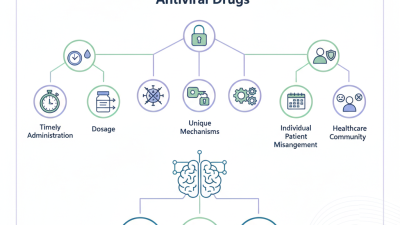
Viral infection medicines are not interchangeable. Antivirals target particular stages of viral replication; antibiotics do not treat viruses. For influenza, timing matters. CDC guidance says treatment works best when started within two days of symptoms, although hospitalized or high-risk patients may benefit later. That window can feel very short in a busy clinic. Not every cough needs an antiviral; diagnosis, patient risk, and resistance patterns help guide treatment.

Goals vary by virus. Hepatitis C medicines can cure most infections, while hepatitis B antivirals generally suppress the virus and help reduce liver damage. WHO’s 2024 Global Hepatitis Report estimated that 254 million people lived with hepatitis B and 50 million with hepatitis C in 2022. Viral hepatitis caused about 1.3 million deaths that year. The figures underline the need for reliable access and follow-up. Buyers evaluating medicines should check approved indications, clinical evidence, batch quality, storage needs, and safety monitoring—not just unit price. Check the details. Procurement lists can still overlook adherence and drug interactions. Clinicians must tailor treatment, especially for people with pregnancy, kidney disease, or multiple medicines.

Understanding Viral Infection Medicines and Their Uses

Selected antiviral treatments have different time windows for starting after symptoms begin. Earlier treatment is generally preferred; these windows do not compare effectiveness or replace clinical assessment. For buyers evaluating antiviral medicines, confirm the medicine’s approved use, formulation, storage requirements, and applicable local guidance.

Sources: U.S. CDC guidance on influenza antiviral drugs and outpatient COVID-19 treatment.

China’s Pharmaceutical Manufacturing Landscape for Antiviral Products

China’s Pharmaceutical Manufacturing Landscape for Antiviral Products

China’s pharmaceutical manufacturing landscape for antiviral products includes facilities focused on active ingredients, formulation, packaging, and quality testing. Capabilities vary by site and product. Some manufacturers handle several production stages, while others rely on qualified partners for specific steps. Buyers should examine the actual production route, not just a facility overview. Batch records, validated processes, stability data, and clear ingredient specifications help show how a product is controlled. Quality systems matter. So does reliable documentation.

Tips: Ask for current quality certificates and recent audit information. Check whether testing methods match the product’s specifications. Request stability data for the intended storage conditions, and confirm how deviations or batch changes are documented. Keep questions specific.

A careful review should also cover supply continuity, packaging controls, and communication during quality investigations. Confirm which site manufactures each stage and whether subcontractors are involved. For finished medicines, compare the stated composition and dosage form with the product documents. Independent testing may help verify agreed specifications, but it cannot replace a thorough supplier assessment. The landscape is not perfectly uniform, and paperwork alone can create a misleading sense of confidence. Buyers need time to verify details.

Key Medicine Categories Made by Chinese Manufacturers

Chinese manufacturers produce several medicine categories used in the care of viral infections. Antiviral medicines are a central group, with products supplied as tablets, capsules, granules, or injections. The available forms depend on the active ingredient and its approved use. Some manufacturers also make biologic medicines, including interferon-based products, where permitted and clinically appropriate. Details matter.

A separate category includes medicines for symptoms such as fever, aches, or nasal discomfort. These products may support comfort, but they do not directly treat every virus. Buyers should distinguish supportive care products from medicines with antiviral indications. Labels can look similar. The intended use is not.

For purchasing decisions, review each product’s composition, dosage form, storage requirements, and current registration documents. Quality records and batch documentation help buyers assess consistency. For temperature-sensitive products, confirm shipping and storage arrangements before placing an order. Requirements differ by market, so local regulatory review is essential. Catalogs can look neat; real supply chains are less tidy. Manufacturers’ portfolios also vary, and a category listing alone cannot establish suitability for a particular patient or market.

China Top Viral Infection Medicine Manufacturers for Buyers - Key Medicine Categories Made by Chinese Manufacturers

Medicine Category Representative Active Ingredients Primary Viral Targets Common Dosage Forms Buyer Verification Points
Influenza antivirals Oseltamivir; zanamivir Influenza A and B Capsules, oral suspension, inhalation powder Confirm the approved indication, strength, pack size, shelf life, and local registration status. These medicines are most useful when prescribed in accordance with current clinical guidance.
Herpesvirus antivirals Acyclovir; valacyclovir; ganciclovir Herpes simplex virus, varicella-zoster virus, and cytomegalovirus, depending on the ingredient Tablets, capsules, creams, eye preparations, and injectable formulations Check that the ingredient and dosage form match the intended indication. Products for different herpesviruses are not interchangeable.
Chronic hepatitis B antivirals Entecavir; tenofovir disoproxil fumarate; tenofovir alafenamide Hepatitis B virus (HBV) Oral tablets Verify the exact salt or formulation, strength, applicable prescribing information, and registration in the destination market. Treatment selection and monitoring require clinical oversight.
Hepatitis C direct-acting antivirals Sofosbuvir; daclatasvir; glecaprevir/pibrentasvir Hepatitis C virus (HCV) Oral tablets or fixed-dose combination tablets Check the complete active-ingredient combination and genotype or regimen information in the approved label. Approval and availability vary by market.
COVID-19 antivirals Nirmatrelvir with ritonavir; other locally authorized antiviral ingredients may be available SARS-CoV-2 Oral tablets or co-packaged tablets, depending on the product Confirm current national authorization, eligibility criteria, interaction information, and the exact co-pack configuration. Authorization and guidance can change over time.
Interferon-based antivirals Interferon alfa; pegylated interferon alfa Selected viral infections, including chronic HBV in defined treatment settings Injection, including prefilled syringes or vials Review the specific approved indication, storage and cold-chain requirements, administration instructions, and monitoring requirements.

Buyer note: This category overview is not a supplier ranking or a guarantee that every listed ingredient is currently manufactured or authorized in China. Verify manufacturing site, current product registration, GMP documentation, export eligibility, and destination-market requirements directly through official records and qualified regulatory channels. Antiviral medicines are not interchangeable, and treatment should follow local prescribing guidance.

How Buyers Can Assess Manufacturers and Product Quality

Assessing a manufacturer requires more than reviewing a price list. Buyers should verify current good manufacturing practice records, facility scope, and inspection history. WHO estimates that seasonal influenza causes about one billion infections and three to five million severe cases worldwide each year (WHO, “Influenza (Seasonal),” 2023). This scale makes reliable production and documented quality controls important. Ask how each batch is tested, released, and traced. Paperwork is not proof.

Review product-specific evidence, including validated test methods, stability data, impurity limits, and batch records. Confirm that samples come from the same production process offered for commercial supply. Examine how the manufacturer reports deviations, investigates root causes, and manages corrective actions. Where possible, conduct a qualified site audit and check whether records are complete and consistent. Even strong audits can miss things. That deserves scrutiny.

Tips: Request a recent certificate of analysis and compare its results with approved specifications. Check storage conditions during shipping, too. Keep written records of questions and responses; small gaps can matter, and buyers may need to revisit assumptions.

Regulatory, Sourcing, and Supply Considerations for Buyers

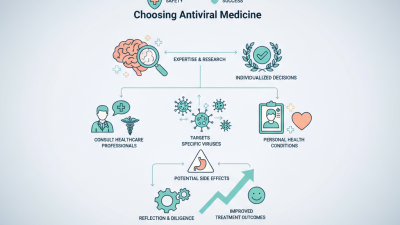
Buyers assessing viral infection medicine manufacturers in China should verify regulatory status for the intended destination market. Confirm that manufacturing licenses and quality certificates are current and cover the specific facility and product. Request recent audit findings, batch records, stability data, and clear specifications. Paperwork matters. A certificate alone does not prove that every process or product is suitable for your needs. Ask how deviations are investigated and how product changes are communicated.

Tips: Check document dates and facility addresses. Agree on sample testing, acceptance criteria, and a named quality contact before placing an order.

Supply reliability deserves equal attention. Discuss production capacity, minimum order quantities, forecast accuracy, and typical lead times in writing. If a product requires controlled temperatures, request documented shipping procedures and temperature records for each relevant shipment. Clarify packaging, labeling, and import documentation with qualified local advisers; requirements can differ by market. A polished audit file can still leave practical gaps, so buyers should compare documents with site observations where possible. Build contingency stock only after reviewing shelf life and storage limits. It is tempting to choose the lowest quote, but unexplained price differences deserve questions, not assumptions. Keep communication records, and agree on a process for complaints, recalls, and delayed deliveries.

CONTACT US