
What Are China Stainless Steel Washers Used For?

China Stainless Steel Washers play a small role in large engineering systems. They spread tightening pressure across a joint, protect softer surfaces, and reduce local deformation around bolt holes. In practice, a washer may sit beneath a hex bolt on a factory conveyor, a pump flange, or an outdoor steel frame. Its performance depends on more than appearance. Material grade, hardness, flatness, thickness, and surface condition all matter.

The International Stainless Steel Forum reported global stainless steel melt shop production of approximately 58.4 million tonnes in 2023. This scale reflects continuing demand from construction, transportation, food processing, energy, and industrial equipment. Stainless steel washers support these sectors because chromium-rich alloys form a protective passive layer. Grade 304 suits many indoor and general-purpose applications. Grade 316 offers stronger resistance in chloride-rich coastal or chemical environments. The choice should follow exposure conditions, not habit.

Relevant standards also deserve attention. ISO 7089 defines dimensions for plain washers, while ASTM F844 covers general requirements for steel washers. These references help buyers compare thickness, outside diameter, and dimensional consistency. Industry market studies from Grand View Research and Fortune Business Insights continue to identify construction, automotive, and machinery as major fastener demand areas. That trend supports stable washer consumption, but it does not guarantee every supplier delivers equal quality.

A low quotation can hide poor flatness, mixed grades, weak packaging, or incomplete inspection records. That assumption often fails. Reliable China Stainless Steel Washers should come with material certificates, dimensional reports, and traceable production information. The following discussion examines where these washers are used, why engineers select them, and which purchasing details deserve closer review.
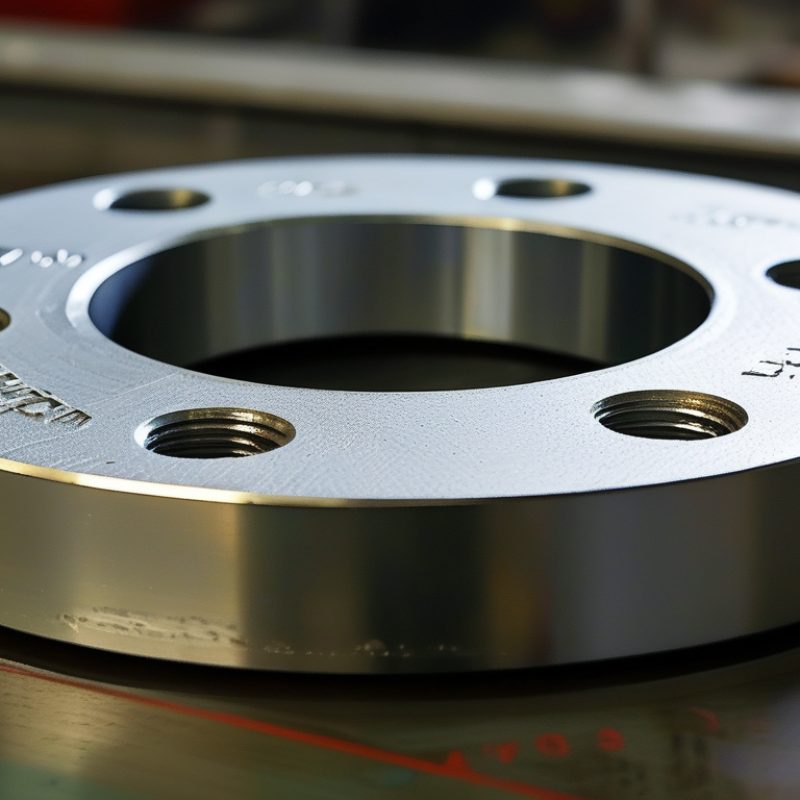
What Are China Stainless Steel Washers Used For?

Types and Materials of China Stainless Steel Washers

What Are China Stainless Steel Washers Used For?

China stainless steel washers support bolts, screws, and nuts in machinery, construction, furniture, pipelines, and outdoor equipment. Their main purpose is simple: spread clamping force and protect the joined surface. A correctly selected washer can reduce surface damage and improve fastening stability.

Types and Materials of China Stainless Steel Washers

Flat washers are common for general load distribution. Spring washers add resistance against loosening, although their effectiveness depends on the joint design. Lock washers, toothed washers, and sealing washers serve more specific needs. Large outside-diameter washers suit soft materials or oversized holes. Stainless steel 304 offers balanced corrosion resistance for indoor and ordinary outdoor use. Stainless steel 316 performs better near saltwater, chemicals, and humid coastal conditions. Stainless steel 201 costs less, but it usually provides lower corrosion resistance. Harder grades may suit wear-related applications, but strength alone should not decide the purchase. That assumption often causes trouble.

Tips: Match the washer’s inner diameter, outer diameter, thickness, and grade with the fastener. Check the actual material certificate when performance matters. Inspect for burrs, uneven edges, stains, and inaccurate dimensions. Do not mix a highly corrosion-resistant washer with a weak or unsuitable bolt. Galvanic corrosion can still appear. For critical assemblies, test the complete joint rather than the washer alone. Small details matter.

How Stainless Steel Washers Support Mechanical Connections

China stainless steel washers are used to strengthen mechanical connections in construction, machinery, transport equipment, and maintenance work. Their main function is simple: distribute bolt pressure across a wider surface. This reduces indentation in softer materials, such as aluminum, wood, and painted steel. A washer also helps prevent the nut from pulling into an oversized hole.

World Stainless Association data reported about 58.4 million tonnes of stainless steel production worldwide in 2023. China contributed roughly 63% of that volume, supporting a large domestic supply of stainless components. Common washer grades include 304 stainless steel for general environments and 316 stainless steel for coastal or chemical exposure. The correct grade matters. A shiny surface does not prove corrosion resistance.

In practical assembly, flat washers support consistent clamping force beneath bolt heads and nuts. They also protect finished surfaces from tool marks during tightening. ISO 7089 provides dimensional guidance for standard plain washers, while ASTM F844 covers general-purpose flat washers. Spring washers may assist in specific designs, but they should not replace proper torque control or locking methods. That point is often missed.

Field experience shows that poor fit causes trouble. A washer with an undersized outside diameter may concentrate stress instead of spreading it. Excessive tightening can deform thin sheet metal. Mixed metals can also create galvanic corrosion in wet conditions. Engineers should check load, hole size, environment, hardness, and installation torque before selecting a stainless steel washer. Mistakes still happen, especially when procurement focuses only on price.

Common Industries Using China Stainless Steel Washers

What Are China Stainless Steel Washers Used For?

Common Industries Using China Stainless Steel Washers

China stainless steel washers support construction, machinery, transportation, marine equipment, and industrial maintenance. They spread clamping pressure beneath nuts and bolt heads. This reduces surface damage on steel frames, panels, brackets, and equipment housings. Many buyers choose them where moisture, cleaning chemicals, or outdoor exposure may cause ordinary steel to rust.

The International Stainless Steel Forum reported global stainless crude steel production of about 58.4 million tonnes in 2023. That scale reflects strong demand across construction, processing equipment, and manufactured goods. In building projects, stainless washers secure façade components, roof fittings, guardrails, and light structural assemblies. In food and beverage plants, smooth washer surfaces help reduce dirt traps around stainless equipment. They are useful, but not automatically hygienic.

Automotive and machinery manufacturers use them in engine accessories, electrical enclosures, conveyor systems, and workshop equipment. Marine applications need extra attention because saltwater can accelerate corrosion. Material selection should match the bolt grade, load, temperature, and exposure conditions. ISO 3506 provides guidance for corrosion-resistant stainless fasteners, while dimensional standards help maintain assembly consistency.

A practical weakness remains: low-cost washers may vary in hardness, flatness, or surface finish. Inspection matters. Check thickness, inner diameter, burrs, and material certificates before installation.

A washer is small. Its failure can still loosen a large assembly.

Choosing the Right Washer for Different Applications

Choosing the right stainless steel washer depends on load, environment, and installation temperature. A flat washer spreads clamping force across a wider surface, protecting softer materials such as aluminum, wood, and painted steel. A spring washer may help resist loosening under vibration, but it is not a universal solution. In critical joints, torque control and a locking design usually matter more.

Material selection comes next. Grade 304 suits indoor equipment, general construction, and many food-processing areas. Grade 316 offers stronger resistance to chlorides, coastal air, and chemical exposure. World Stainless reported about 58.4 million tonnes of global stainless crude steel production in 2023, showing the material’s wide industrial role. Still, stainless steel is not corrosion-proof.

Check the details. Washer diameter, thickness, hole size, hardness, and surface finish must match the bolt and joint. In heated assemblies, austenitic stainless steel can expand roughly 17 micrometers per meter per °C, according to commonly cited engineering data. That movement can affect preload over long joints. ISO 3506-7 provides requirements for stainless steel washers and supports consistent mechanical selection. A practical mistake is choosing by appearance alone. Shiny is not a specification. For outdoor or marine use, test the complete assembly, because dissimilar metals can create galvanic corrosion.

What Are China Stainless Steel Washers Used For?

Choosing the right stainless steel washer depends on the bolt size, load distribution, available installation space, and exposure to moisture or corrosive environments. The chart below shows standard ISO 7089 flat-washer dimensions commonly used with metric bolts.

Smaller washers such as M4 and M5 are suitable for light-duty panels, electronics enclosures, and general assembly. M6 and M8 washers are widely used for machinery, equipment frames, automotive components, and construction fixtures. Larger M10 and M12 washers provide greater load distribution for structural connections and heavy-duty installations. Stainless steel is selected when resistance to moisture, oxidation, and many common chemicals is required.

Benefits and Limitations of Stainless Steel Washers

China-made stainless steel washers are used wherever a bolt needs a broader, steadier bearing surface. They distribute clamping pressure and reduce surface damage in machinery frames, solar supports, HVAC cabinets, transport equipment, and outdoor construction. In practical assembly, a washer also helps prevent a nut from pulling into thin sheet metal. Flat washers suit general joints. Spring and locking designs serve vibration-sensitive connections, but their performance depends on joint design.

Demand reflects a large industrial base. The International Stainless Steel Forum reported about 58.4 million tonnes of stainless crude steel production in 2023, with China contributing roughly 36.2 million tonnes. This scale supports many washer sizes, finishes, and grades. Austenitic 304 is common for general corrosion resistance. 316 performs better around chlorides, though it costs more. ASTM F844 and ISO 3506 offer useful references, but standards cannot replace testing the actual assembly. Stainless washers provide corrosion resistance, strength retention, clean appearance, and lower maintenance in humid environments. The NACE IMPACT study estimated global corrosion costs at about 2.5 trillion dollars annually, equal to 3.4% of global GDP.

Still, stainless steel has limits. It is not rust-proof. Salt deposits, crevices, poor drainage, and contact with dissimilar metals can cause staining or galvanic corrosion. Work-hardening can complicate forming. Galling may occur when stainless threads are tightened dry. Field inspections often show “stronger” washers failing because bolt grade and torque were mismatched. That detail is easy to miss. Buyers should verify hardness, thickness, flatness, grade, and service testing. Some specifications remain vague, and that deserves challenge. A low-cost washer can become an expensive maintenance problem.

CONTACT US