
What Is the Best Type of Infection Drugs?
Choosing the best type of Infection Drugs is not as simple as ranking one medicine above another. The right choice depends on the infection’s cause, location, severity, and the patient’s health history. Antibiotics treat certain bacterial infections, while antivirals, antifungals, and antiparasitic medicines target different organisms. They are not interchangeable.
Diagnosis matters greatly.
A clinician may examine a red, swollen wound, review symptoms, and request a throat swab, urine sample, or blood test. These details can prevent treatment based on guesswork. For example, antibiotics will not cure most viral colds, and unnecessary use may cause side effects or contribute to antimicrobial resistance. Treatment decisions should also consider allergies, pregnancy, kidney function, drug interactions, and local resistance patterns. A pharmacist can often identify practical risks, such as taking a medicine with certain supplements or missing doses.
The best option is usually the safest effective treatment for the confirmed or strongly suspected cause. However, uncertainty remains in some early cases. Symptoms can overlap, and test results may not be immediately available. That limitation deserves honest attention. Patients should follow the prescribed instructions, avoid sharing medication, and seek urgent care for breathing difficulty, confusion, severe dehydration, or rapidly spreading infection. Reliable guidance should come from qualified healthcare professionals and evidence-based sources, not online product claims. A careful comparison of Infection Drugs should therefore explain how each category works, when it may help, and why professional assessment remains essential.
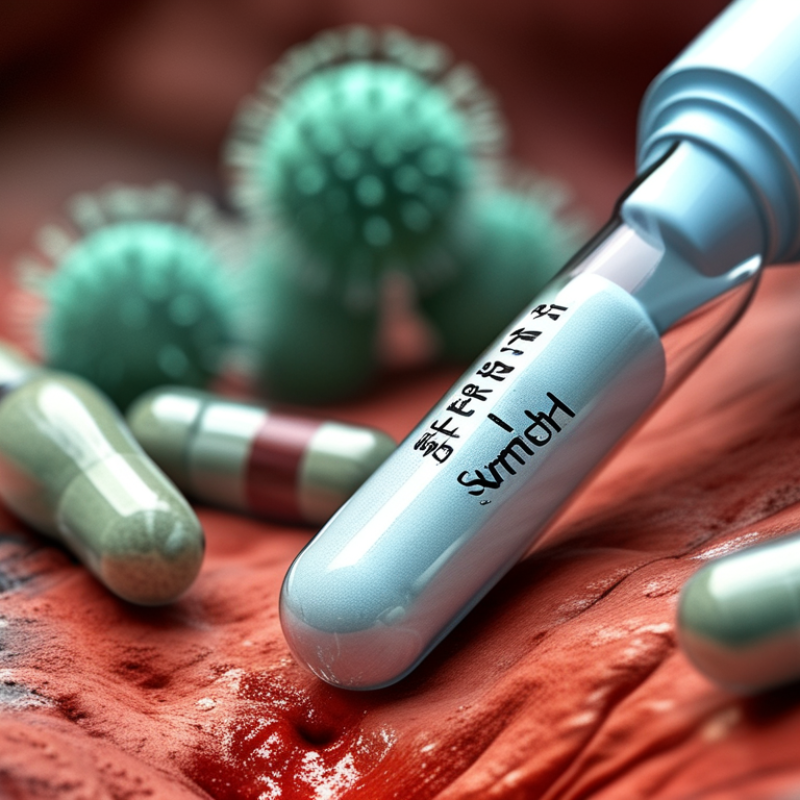
How Infection Drugs Are Classified by the Cause of Infection
What Is the Best Type of Infection Drugs?
How Infection Drugs Are Classified by the Cause of Infection
The best infection drug depends on the microorganism causing the illness. Antibiotics target bacteria, such as those responsible for some urinary or skin infections. Antiviral medicines work against selected viruses, while antifungal drugs treat fungal infections. Antiparasitic medicines address infections caused by organisms such as certain worms or protozoa. These groups are not interchangeable. A medicine that helps one cause may do nothing for another.
Diagnosis usually begins with symptoms, examination, and sometimes laboratory testing. A clinician may check a throat swab, urine sample, blood test, or culture before choosing treatment. Drug selection also considers allergies, pregnancy, kidney function, liver health, and local resistance patterns. In practice, a high fever does not identify the cause by itself. That assumption is common, but unreliable. Some infections improve with fluids, rest, and monitoring rather than prescription medicine. Others need prompt treatment because they can worsen quickly.
Tips: Do not use leftover medication or share it with someone else. Take prescribed medicine exactly as directed, and ask when symptoms should improve. Seek urgent care for trouble breathing, confusion, severe dehydration, or rapidly spreading redness. Classification helps, but it is not perfect. Mixed infections and unclear test results can complicate decisions. A qualified healthcare professional should confirm the likely cause and review treatment safely.
What Is the Best Type of Infection Drugs? - How Infection Drugs Are Classified by the Cause of Infection
The most appropriate anti-infective depends on the identified or suspected pathogen, the site and severity of infection, local resistance patterns, allergies, kidney and liver function, pregnancy status, and test results. These medicines should be selected and used under guidance from a qualified healthcare professional.
| Cause of Infection | Typical Pathogens | Main Drug Categories | Common Generic Examples | Common Uses | Important Considerations |
|---|---|---|---|---|---|
| Bacterial infections | Bacteria such as streptococci, staphylococci, enterobacteria, and atypical bacteria | Antibacterials; beta-lactams; macrolides; tetracyclines; fluoroquinolones; aminoglycosides | Amoxicillin, ceftriaxone, doxycycline, azithromycin, ciprofloxacin, gentamicin | Urinary tract infections, bacterial pneumonia, skin infections, bacterial meningitis, bloodstream infections | The choice should reflect the suspected organism, culture results, resistance patterns, infection site, and illness severity. Antibiotics do not treat viral colds or influenza. |
| Viral infections | Respiratory viruses, herpesviruses, hepatitis viruses, human immunodeficiency virus, and other viruses | Antivirals; polymerase inhibitors; protease inhibitors; reverse-transcriptase inhibitors; entry or fusion inhibitors | Acyclovir, oseltamivir, remdesivir, tenofovir, dolutegravir, nirmatrelvir with ritonavir | Herpes infections, influenza, selected cases of coronavirus disease, chronic viral hepatitis, and HIV infection | Many viral illnesses require supportive care only. Treatment is often time-sensitive and may require combination therapy or testing before use. |
| Fungal infections | Yeasts and molds, including Candida, dermatophytes, and Aspergillus species | Azole antifungals; polyenes; echinocandins; allylamines | Fluconazole, itraconazole, amphotericin B, caspofungin, terbinafine | Oral thrush, vaginal candidiasis, ringworm, invasive candidiasis, and selected mold infections | Superficial and invasive infections require different treatments. Some agents can cause liver, kidney, or drug-interaction problems. |
| Protozoal infections | Protozoa such as Giardia, Entamoeba, Trichomonas, and Plasmodium species | Antiprotozoals; nitroimidazoles; antimalarials; lumefantrine combinations; antiparasitic agents | Metronidazole, tinidazole, nitazoxanide, artemether with lumefantrine, atovaquone with proguanil | Giardiasis, amoebiasis, trichomoniasis, and malaria | Treatment depends on the species, geographic exposure, disease severity, and possible drug resistance. Malaria can become life-threatening rapidly. |
| Helminth infections | Roundworms, hookworms, pinworms, whipworms, tapeworms, and flukes | Anthelmintics; benzimidazoles; macrocyclic lactones; cestocides | Albendazole, mebendazole, ivermectin, praziquantel, pyrantel | Intestinal worms, strongyloidiasis, schistosomiasis, and certain tissue-parasite infections | The correct medicine depends on the parasite and its location in the body. Reinfection prevention and treatment of close contacts may sometimes be needed. |
| Mycobacterial infections | Mycobacterium tuberculosis and nontuberculous mycobacteria | Combination antimycobacterial therapy | Isoniazid, rifampicin, ethambutol, pyrazinamide, clarithromycin | Tuberculosis and selected nontuberculous mycobacterial lung or disseminated infections | Several drugs are usually combined for prolonged periods. Susceptibility testing, adherence monitoring, and interaction checks are essential. |
| Mixed or polymicrobial infections | A combination of aerobic bacteria, anaerobic bacteria, and sometimes fungi | Broad-spectrum antibacterials or carefully selected combination therapy | Piperacillin with tazobactam, amoxicillin with clavulanate, ceftriaxone with metronidazole | Intra-abdominal infections, diabetic foot infections, aspiration-related infections, and severe wound infections | Source control, such as drainage or removal of infected tissue, can be as important as medication. Broad therapy should be narrowed when test results are available. |
Related Posts
-
The Ultimate Guide to Sourcing the Best Antibiotic Medicine for Global Markets
-

2026 Best Bacteria Infection Medicine for Global Buyers?
-

The Ultimate Guide to the Best Infection Drugs: Analyzing Efficacy, Resistance Patterns, and Market Trends
-
Advantages of Best Drugs Treatment for Global Sourcing Partners
-

Exploring the Advantages of Understanding Drug Side Effects in Patient Care
-
How to Choose the Right Antibiotics for Wound Infection?