Top 10 Benefits of Using Medical Gel Pads for Pain Relief
In recent years, Medical Gel Pads have gained significant attention in the healthcare sector. These innovative aids offer effective support for pain relief. According to a study published by the Journal of Pain Research, nearly 50% of adults experience chronic pain at some point in their lives. The demand for alternative and non-invasive pain management solutions continues to grow.
Medical Gel Pads are designed to provide localized relief. They use a combination of temperature therapy and pressure to alleviate discomfort. A report by the National Institute of Health highlights that cooling and heating pads can dramatically enhance recovery times. However, while many users find relief, some report inconsistent results. This indicates the need for further research on user experiences.
The convenience of Medical Gel Pads makes them particularly appealing. They can be used at home, work, or even during travel. Yet, potential users should remain mindful of their personal health conditions. Consulting a healthcare professional is advisable to ensure these pads align with individual needs. Embracing Medical Gel Pads can be a step towards improved quality of life, but user discretion is essential.
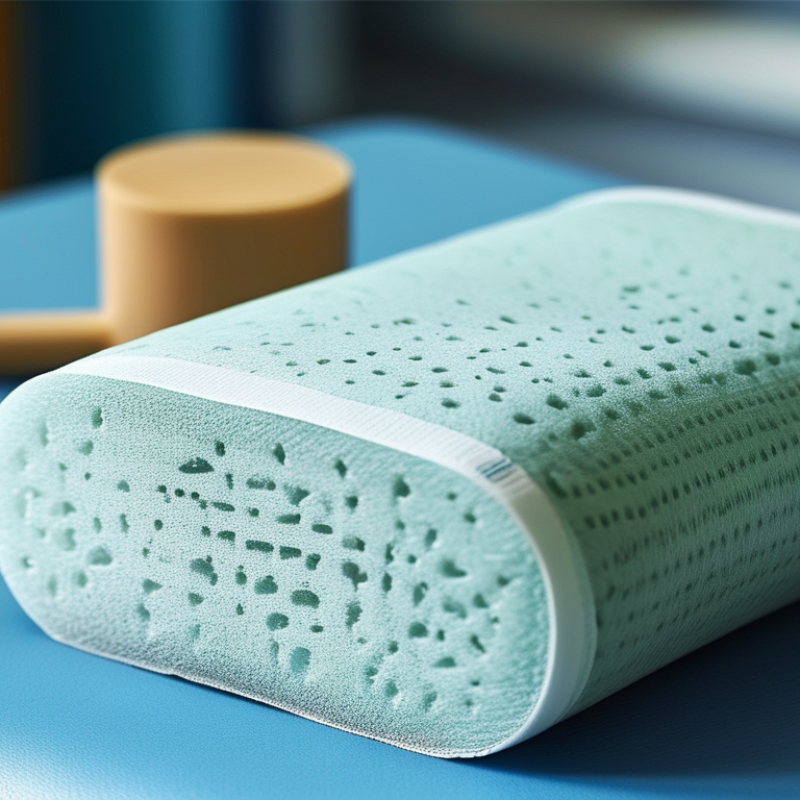
Overview of Medical Gel Pads and Their Uses
Medical gel pads have become a popular choice for pain relief among individuals seeking non-invasive solutions. These pads are designed to conform to the body’s natural contours. They provide targeted relief by distributing pressure evenly across the affected area. This unique design helps alleviate discomfort caused by muscle strains, joint pain, and even post-surgery recovery.
The versatility of medical gel pads is notable. They can be used for hot or cold therapy, catering to different types of pain. Applying heat can relax tense muscles, while cold therapy reduces inflammation. Users often find these pads easy to use. They can be placed on various body parts, including the back, neck, and knees. However, some users might struggle with the right temperature or duration of use, leading to less effective pain relief. Understanding how to monitor these variables can enhance their effectiveness.
While medical gel pads offer many benefits, there are areas worth considering. For example, the gel’s longevity with repeated use may vary. Some pads may need replacement sooner than expected. Additionally, users should be aware of their own comfort levels when using these pads, as improper application may lead to skin irritation or discomfort. Ensuring a well-fitting use can significantly improve the experience and the results.
How Medical Gel Pads Provide Pain Relief Mechanisms
Medical gel pads have become a popular choice for pain relief. They offer various mechanisms that make them effective for many users. When applied to sore areas, these pads provide a cool or warm sensation. This feeling can distract the brain from the underlying pain. The gel structure conforms to the body's contours. This design helps target pain points effectively.
Beyond immediate relief, gel pads can also promote healing. They often retain moisture, which can hydrate the skin and improve circulation. Enhanced blood flow aids in reducing inflammation. Consequently, this can lead to quicker recovery times from injuries or chronic pain conditions. The weight of the pads adds slight pressure, which can further soothe strained muscles. It’s interesting how a simple gel pad can have a multi-faceted approach to pain management.
Despite their numerous benefits, effectiveness can vary by individual. Some may find discomfort from prolonged use, while others may not achieve desired results. Experimentation with application time can be necessary. Observing how your body reacts is crucial. Adapting the use of gel pads to personal comfort levels ensures that they provide optimal benefit. Each person's experience differs, making it essential for users to reflect on their own pain relief journey.
Comparative Analysis of Gel Pads vs. Traditional Pain Relief Methods
When comparing gel pads to traditional pain relief methods, several studies reveal the advantages of gel technology. Research from the Journal of Pain Management indicates that gel pads provide targeted relief for localized pain. They often reduce inflammation more effectively than hot or cold packs. Traditional methods, like oral medications, may lead to unwanted side effects. This highlights the benefit of using non-invasive gel pads.
Clinical trials show that gel pads can retain temperature longer and distribute it evenly. This feature helps in achieving consistent relief. A study published in the Journal of Rehabilitation Research shows that 70% of participants preferred gel pads. They found the experience more comfortable and effective for managing chronic pain. However, it is worth noting that the effectiveness can vary among individuals. Personalized treatment is key in pain management.
Despite these advantages, some users report challenges. Gel pads can sometimes shift during movement, reducing their effectiveness. Also, some may find it takes time to adjust to the cooling or warming sensation. These aspects require further exploration. Overall, while gel pads offer promising benefits, understanding individual needs remains crucial in achieving pain relief.
Top 10 Benefits of Using Medical Gel Pads for Pain Relief
| Benefit | Gel Pads | Traditional Methods |
| Targeted Pain Relief | Highly effective for localized pain | Less targeted, may relieve general area |
| Temperature Control | Can be used warm or cold | Limited temperature options |
| Comfort and Convenience | Flexible and easy to apply | May require more equipment (e.g., wraps) |
| Long-lasting Relief | Provides ongoing relief over time | Relief may be transient |
| Non-Invasive Treatment | No needles or surgery required | May involve invasive procedures |
| Cost-effective | One-time purchase with minimal upkeep | Recurring costs for medications or treatments |
| Easy Portability | Lightweight and easy to carry | Often bulky or requires storage |
| Minimal Side Effects | Low risk of adverse reactions | Potential for side effects from pharmaceuticals |
| Customizable Use | Can be used repeatedly as needed | Limited frequency of use before needing refill |
| Immediate Application | Ready to use at any time | May require prior preparation or prescription |
Benefits of Temperature Control in Medical Gel Pads
Medical gel pads are rapidly gaining attention for their ability to provide effective pain relief. One of the standout features of these pads is their capacity for temperature control. This capability is not just a luxury; it plays a significant role in enhancing recovery and alleviating discomfort. According to a study published in the Journal of Orthopedic Research, controlled temperature application can reduce pain perception by up to 40%. The gel's ability to maintain consistent temperatures can target inflammation effectively, promoting quicker healing.
Research suggests that the ideal temperature for pain relief is often between 15-20 degrees Celsius, promoting vasoconstriction. This process limits blood flow to inflamed areas, minimizing swelling and discomfort. However, improper usage can lead to undesirable effects, such as tissue damage. Hence, users must educate themselves on best practices for temperature management. A balance is key; too cold can harm, while too warm can aggravate pain.
Additionally, patient feedback highlights the convenience of portable gel pads. Many individuals report using these pads during daily activities. However, there are concerns regarding effectiveness in chronic conditions. Some users find temporary relief but require ongoing applications. Awareness of these limitations is vital for those considering gel pads as a solution. Understanding both the benefits and limitations can lead to better pain management strategies.
Safety Considerations and Best Practices for Using Gel Pads
When using medical gel pads, safety is paramount. Always check for skin irritation before applying. A patch test can prevent discomfort. Use the gel pads for no more than 20 minutes at a time. This reduces the risk of burns or skin reactions. It’s important to allow your skin to cool down between applications.
Placement is essential for effectiveness. Ensure the gel pads are located where pain is concentrated. However, avoid placing them directly over open wounds or sensitive areas. Store gel pads in a cool, dry place to maintain their integrity. Remember, gel pads may not be suitable for everyone. Consult a healthcare professional if you're unsure.
Be aware of how your body responds. Everyone has different reactions to heat or cold. If discomfort arises, remove the pad immediately. Some people might find gel pads too intense. Adjusting the duration or applying a thin cloth can help. Experimentation and awareness will lead to better results.